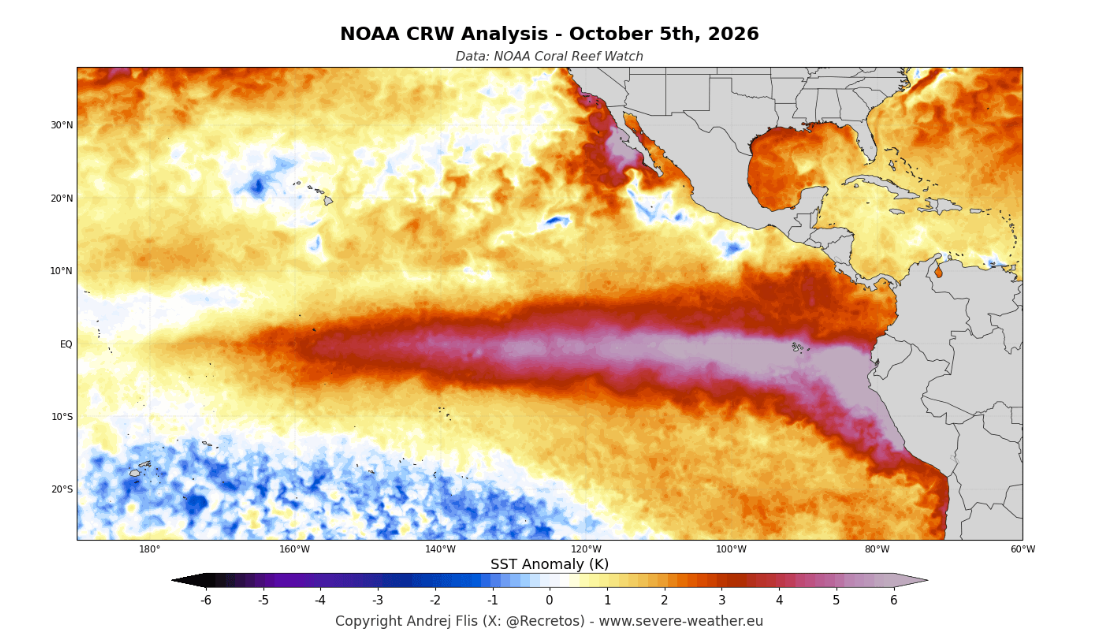

Droughts, floods, wildfires. 2026 challenged us in many ways. We have not even had the chance to recover; now “El Niño”, the strongest on record, is expected to shift weather patterns globally, peaking from December to February 2027.
Whether this “super” El Niño will translate into global super-damage, Chris Funk, a climatologist at the University of California, told Science: “The pretty obvious conclusion is that we should buckle up.”
Policymakers, now is the time to act.
#WorldWaterDay
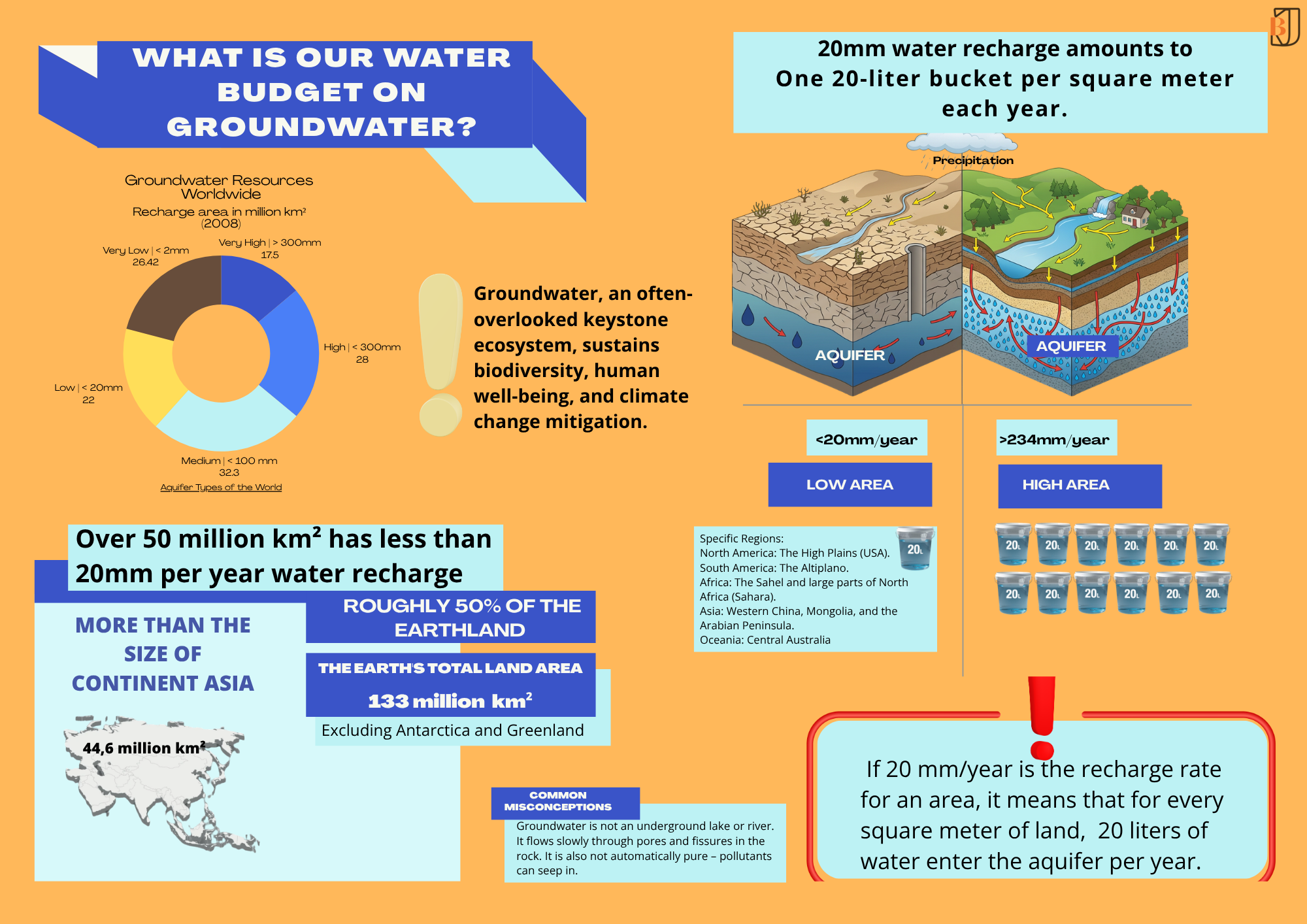
We are all depending on groundwater; let me ask you one question: Why don't we do anything to protect it?
Groundwater, an often-overlooked keystone ecosystem, sustains biodiversity, human well-being, and climate change mitigation.
#water #drinkingwater #groundwater #ecosystem

March 3rd is World Wildlife Day.
Our civilization sometimes forgets the immense sacrifices made by individuals in prior centuries to conserve nature, such as the Bishnoi people of the 1730s, when 363 men, women, and children sacrificed themselves to protect their Khejri trees. They are considered the first environmentalists.
The 1800s marked so many key milestones that it was very hard to include them all; I chose some for my timeline infographic, "The Birth of Conservation," that impacted how people perceived conservation.
HAPPY RESEARCHING
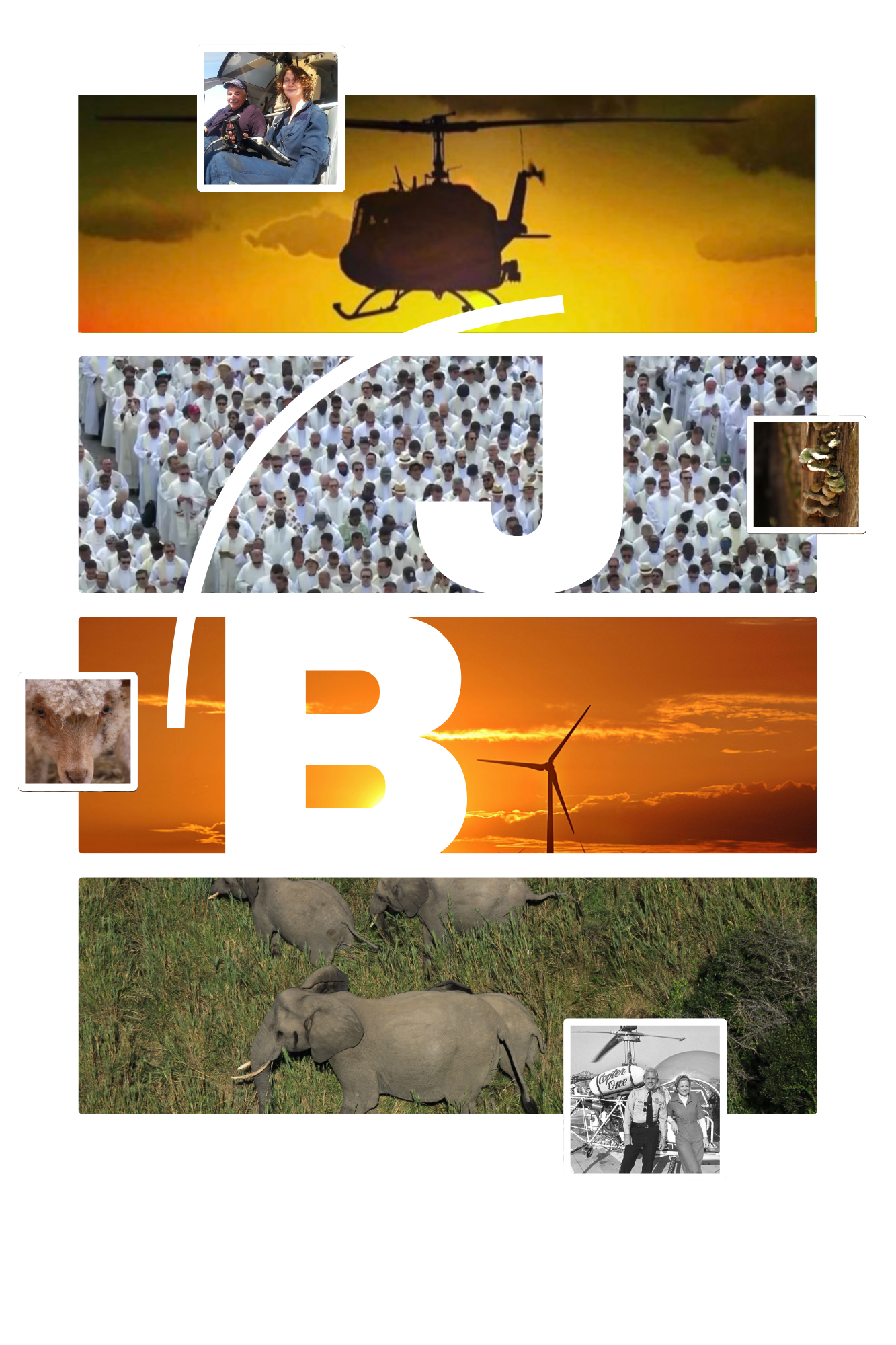
My work explores the impact of war on agriculture and the ecosystem, the effects of climate change on our food system, the role of female pilots in aviation, and how some communities address challenges through conservation.
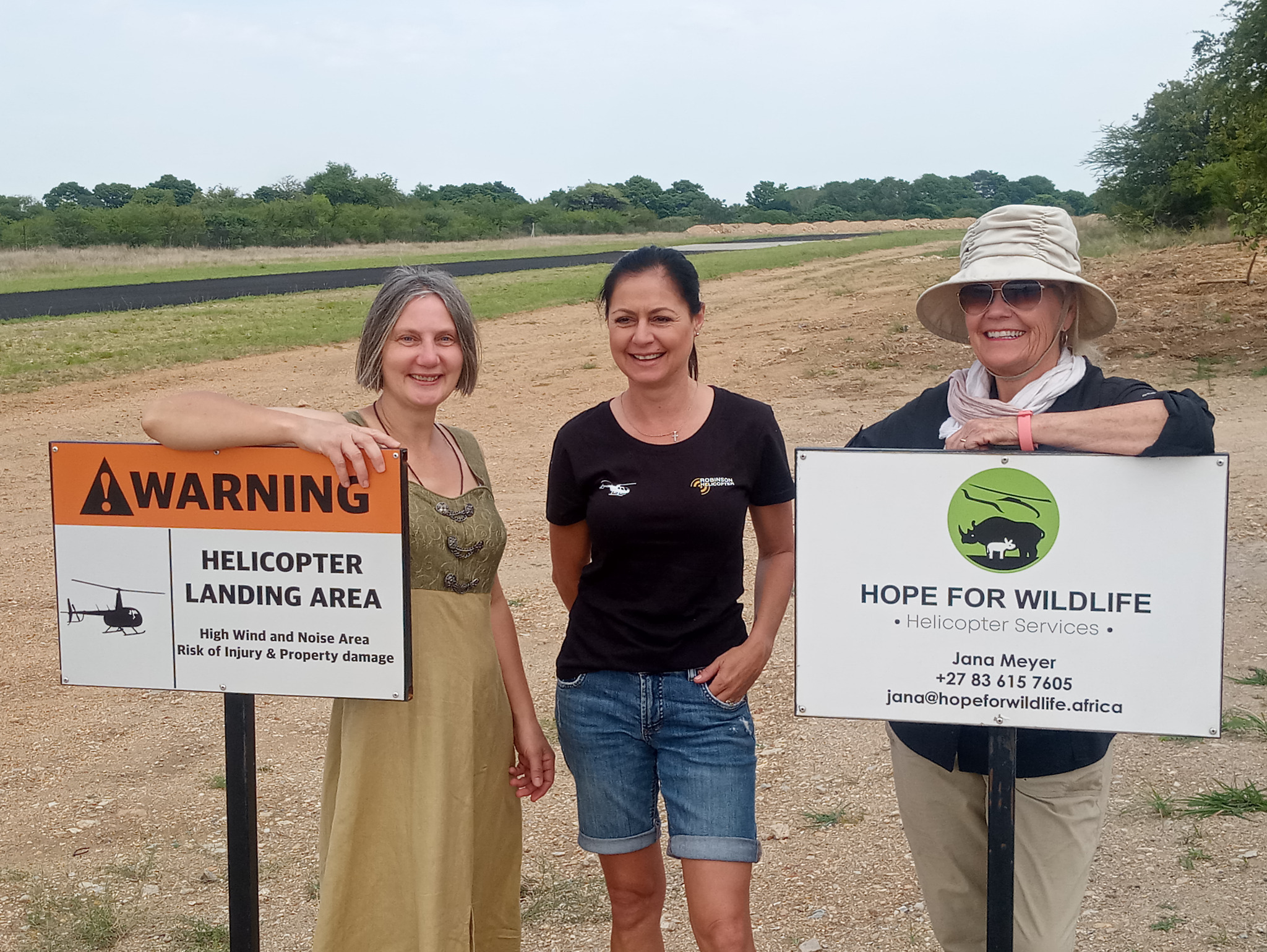
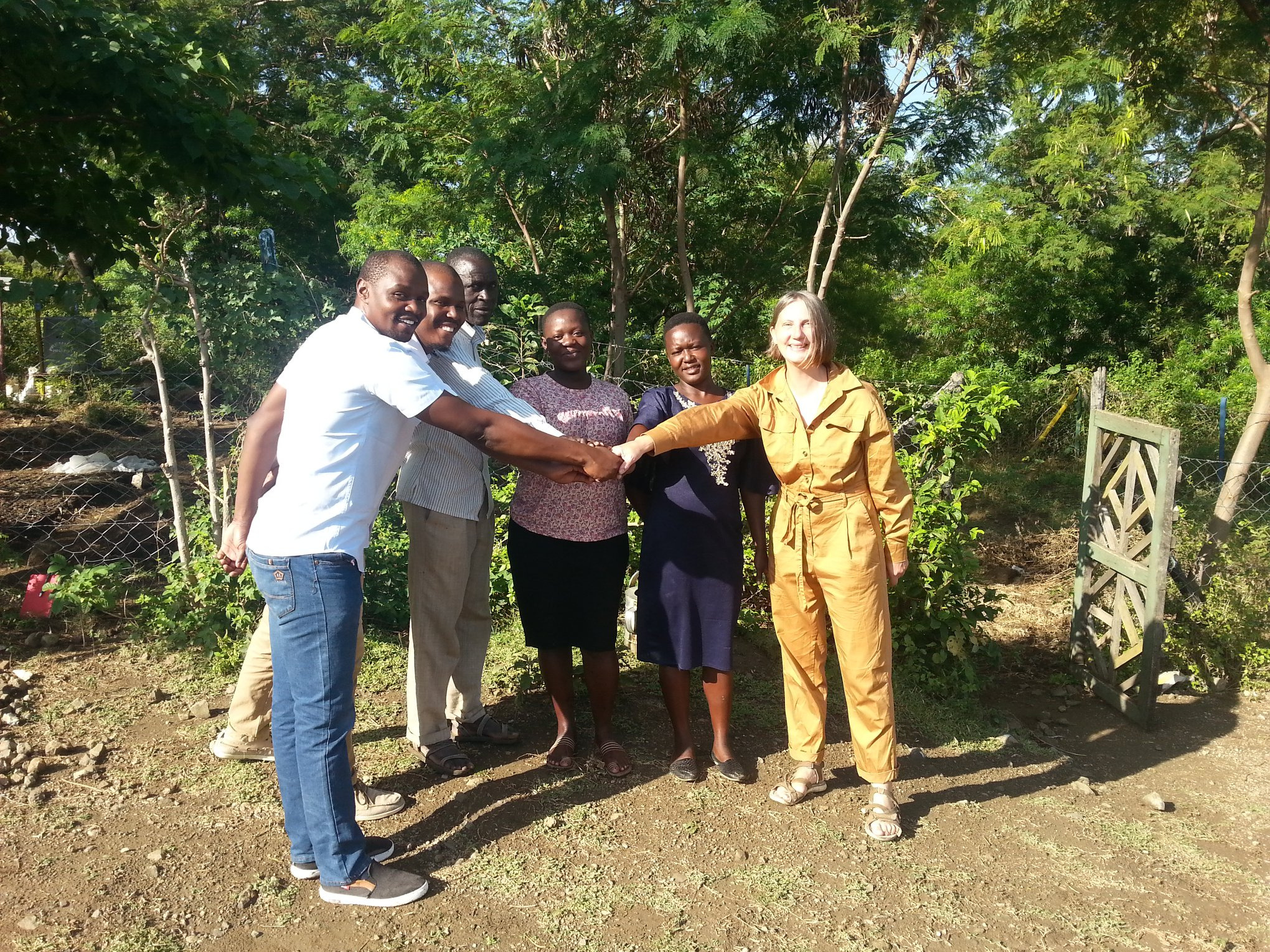
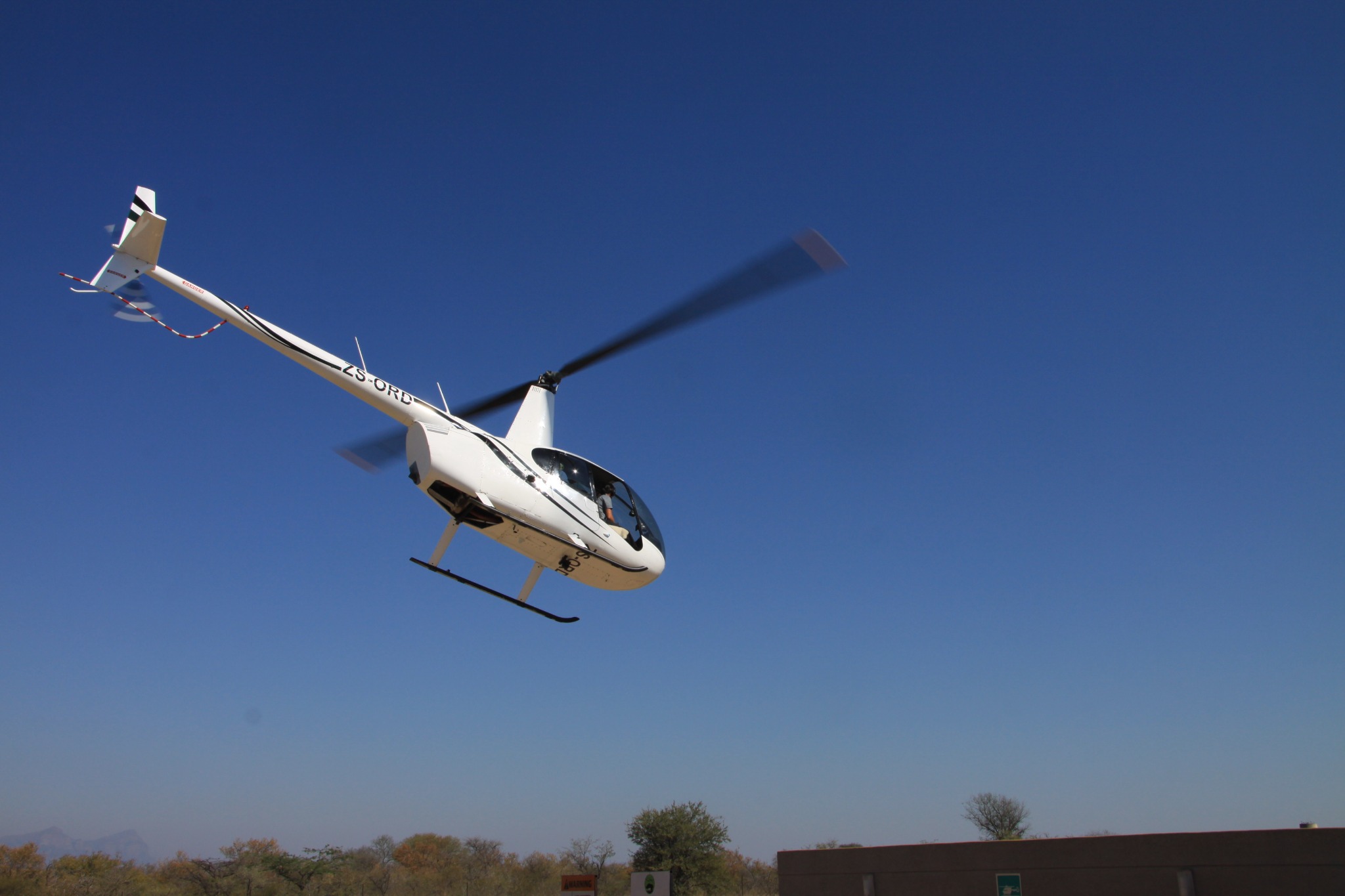
Check out my "Embark on" section to learn about my experience as a member of Whirly-Girls International Female Helicopter Pilots and how a small team in Kenya is working to create change in their community through biodiversity projects and efforts to restore a degraded environment.
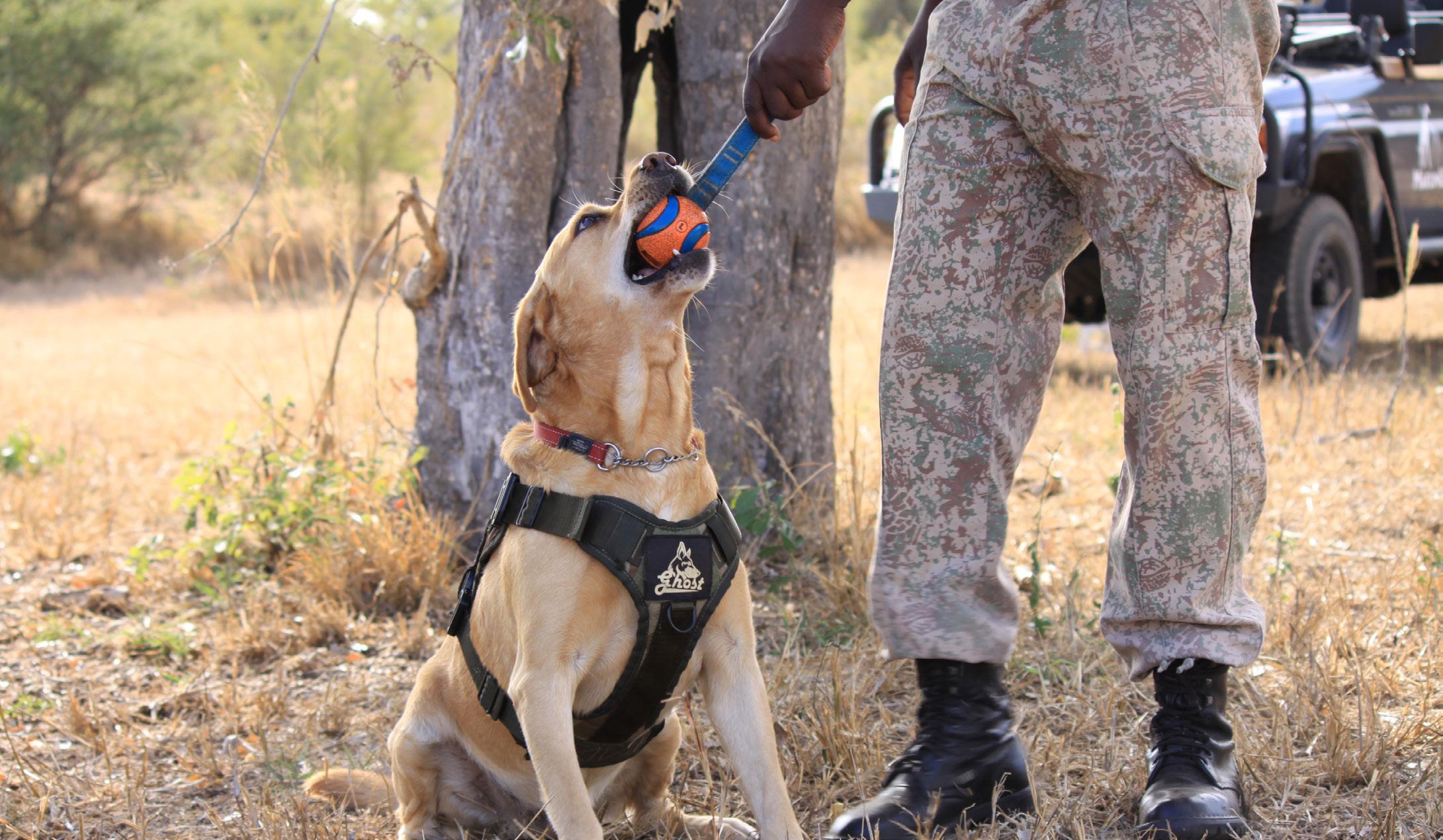
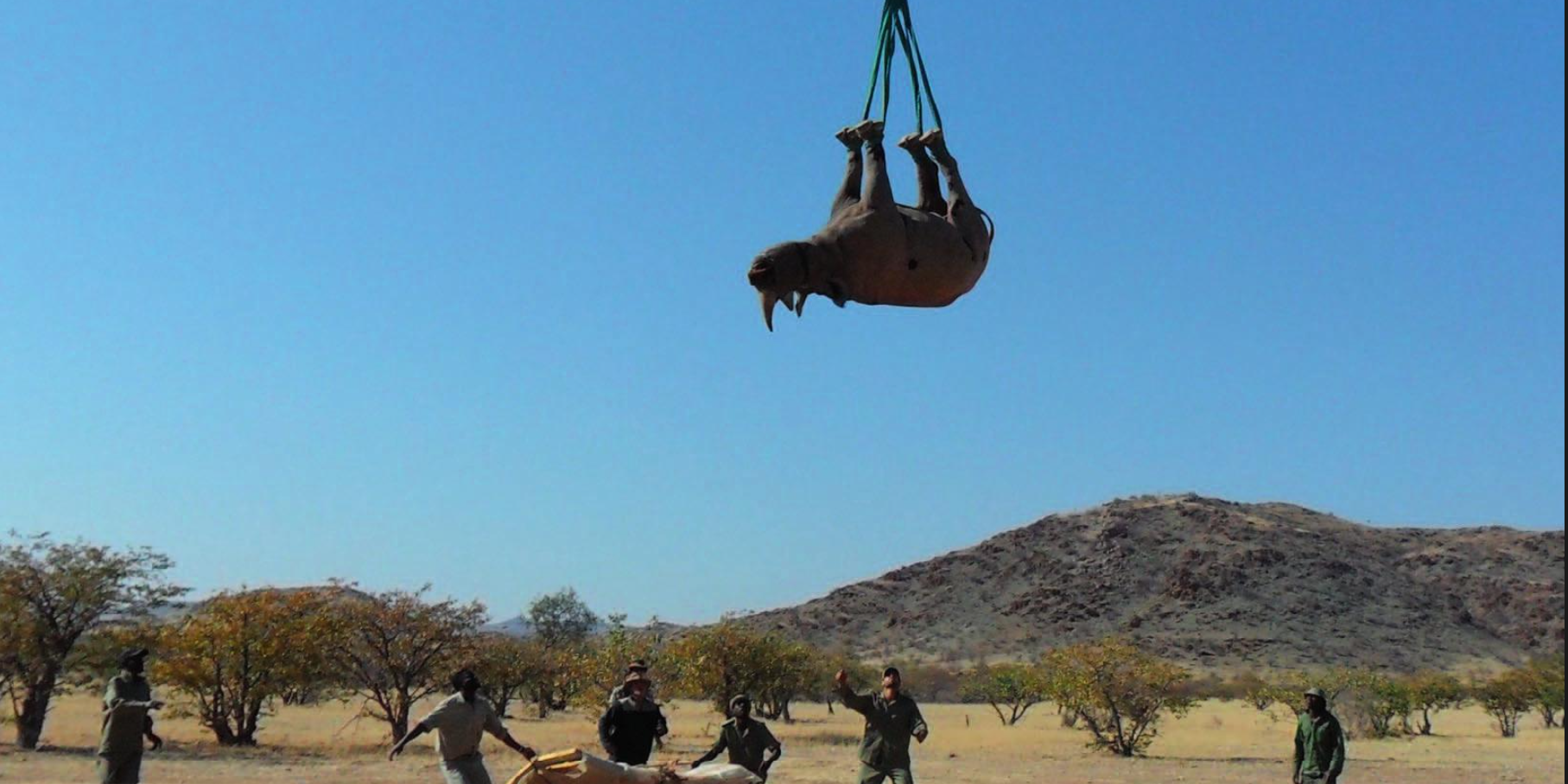
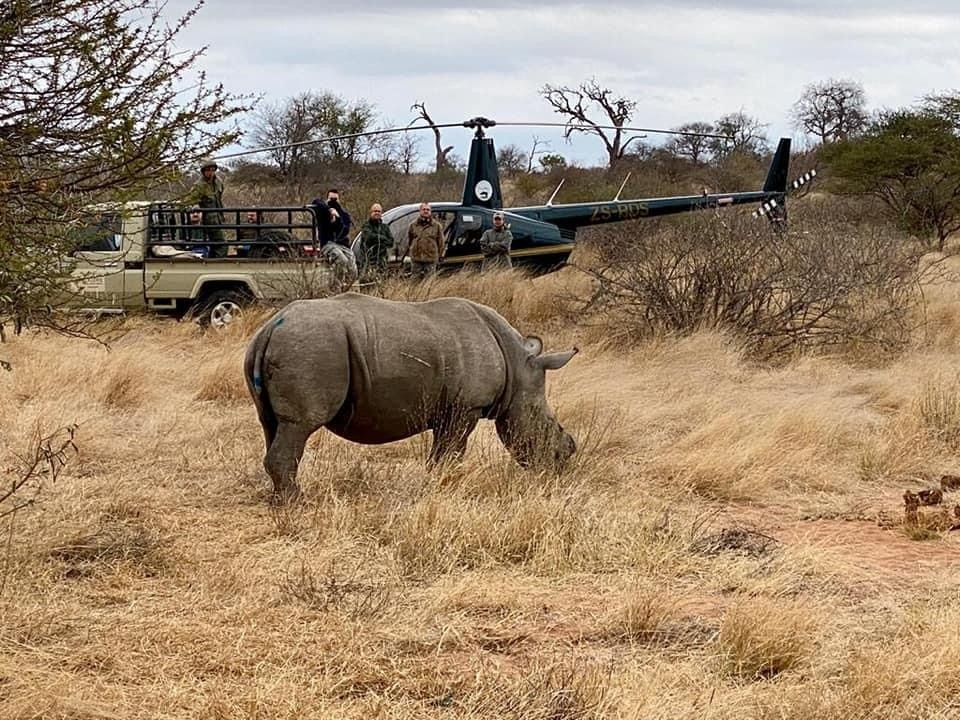
"Reading Renate Buchner´s story of poaching in South Africa underlines the fragility of life on the planet and our ability to do something about it"